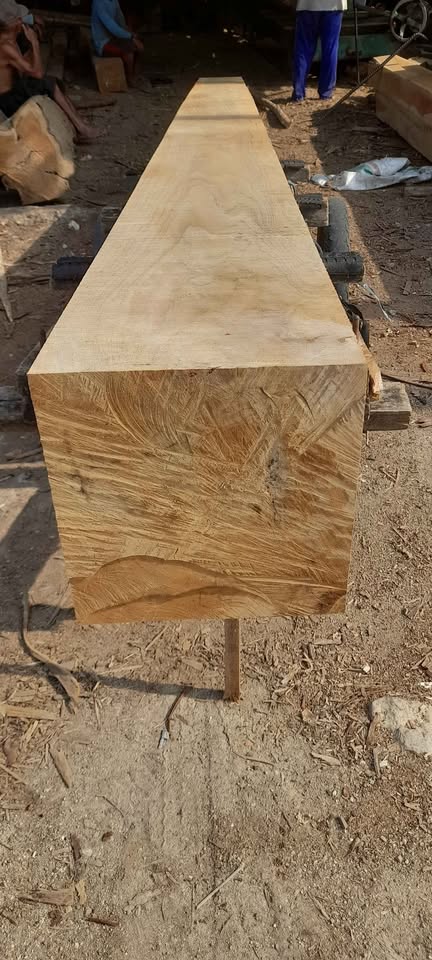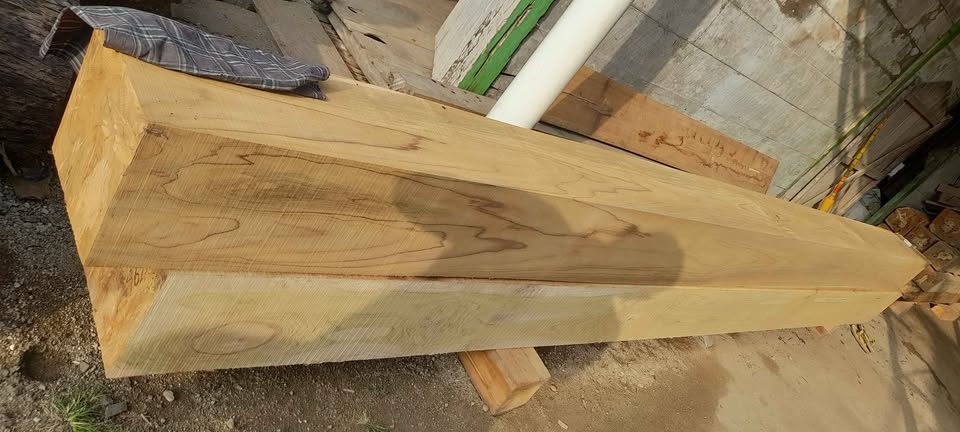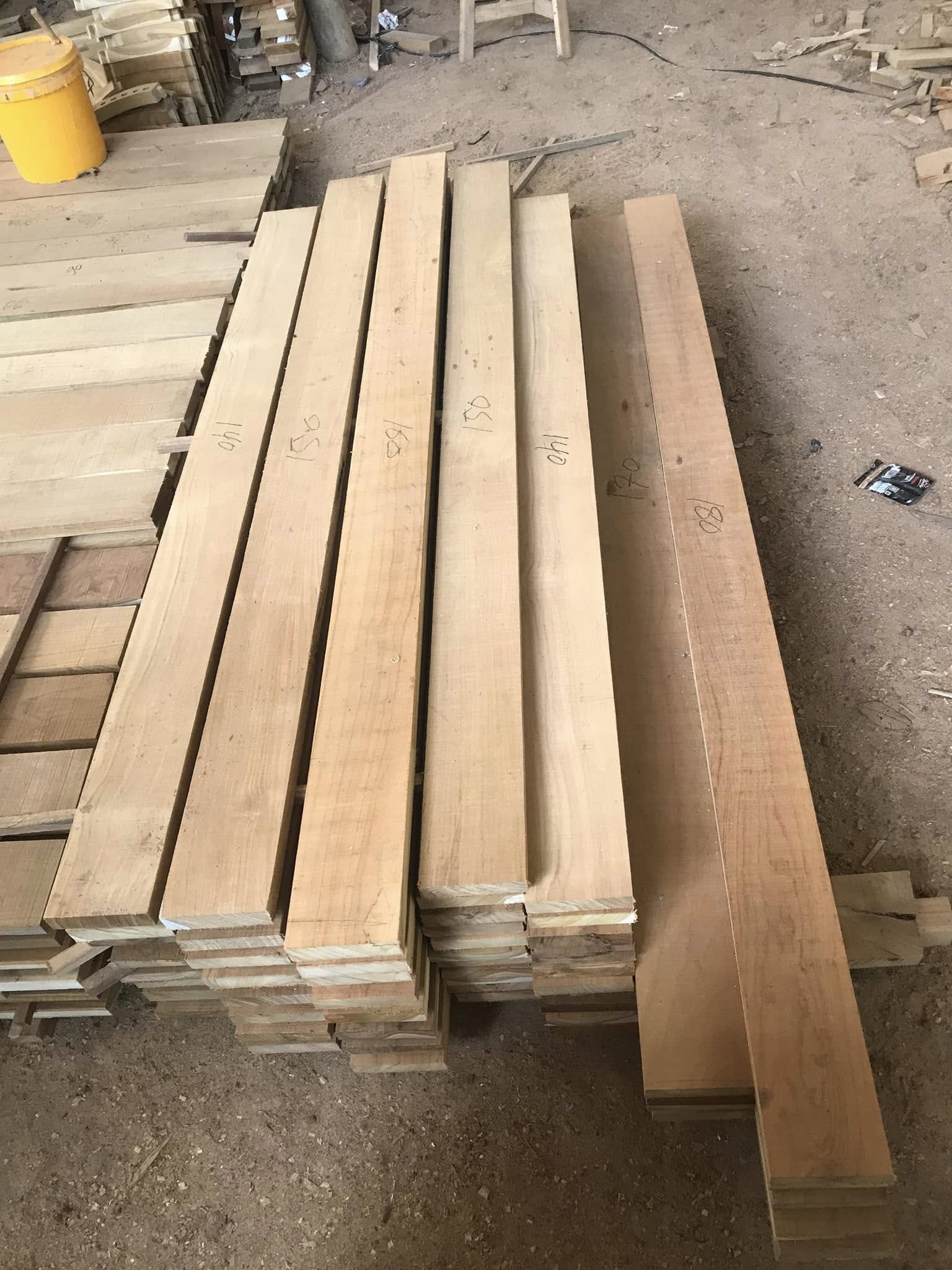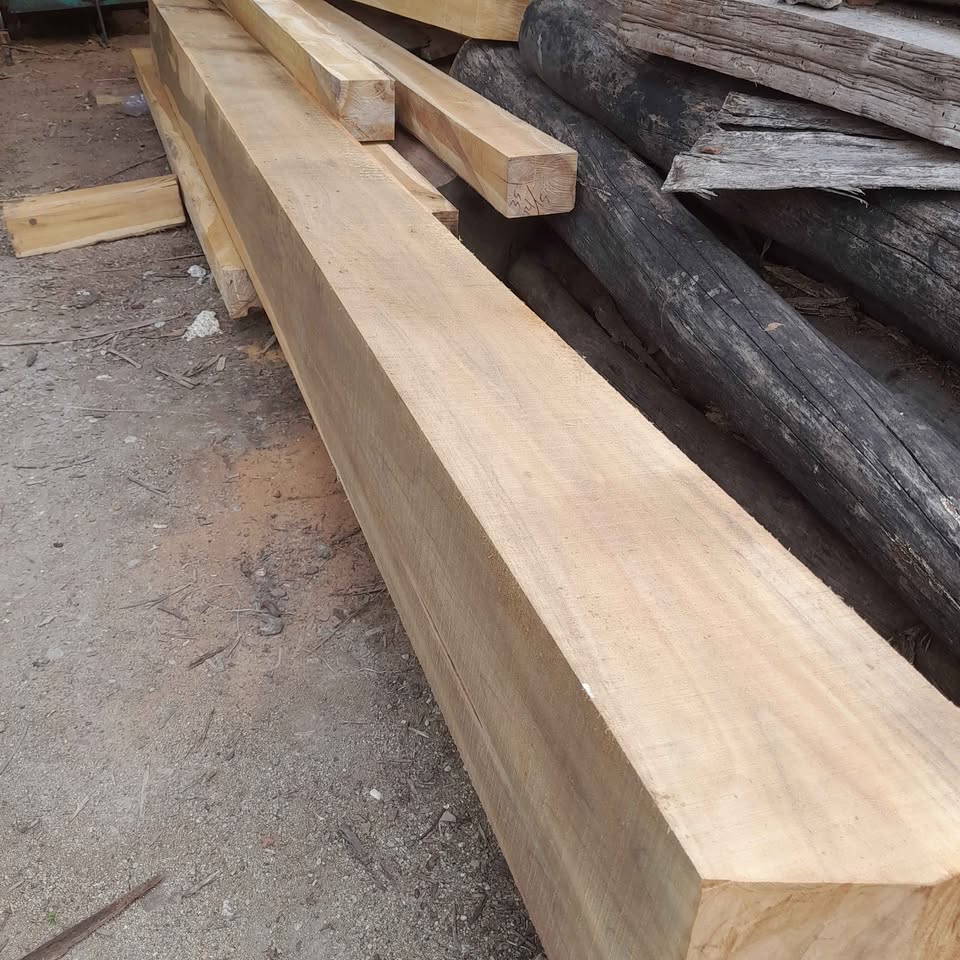

Indonesian Timber Manufacturer | PT TATA SUMBER INTI
PT TATA SUMBER INTI - Wooden Products Manufacturer TIMBER • WOODEN PRODUCTS MANUFACTURER
INDONESIAN TIMBER • MADE TO SPECIFICATION

Indonesian Timber

Sawn Timber, Boards, Planks & Custom Wood Components
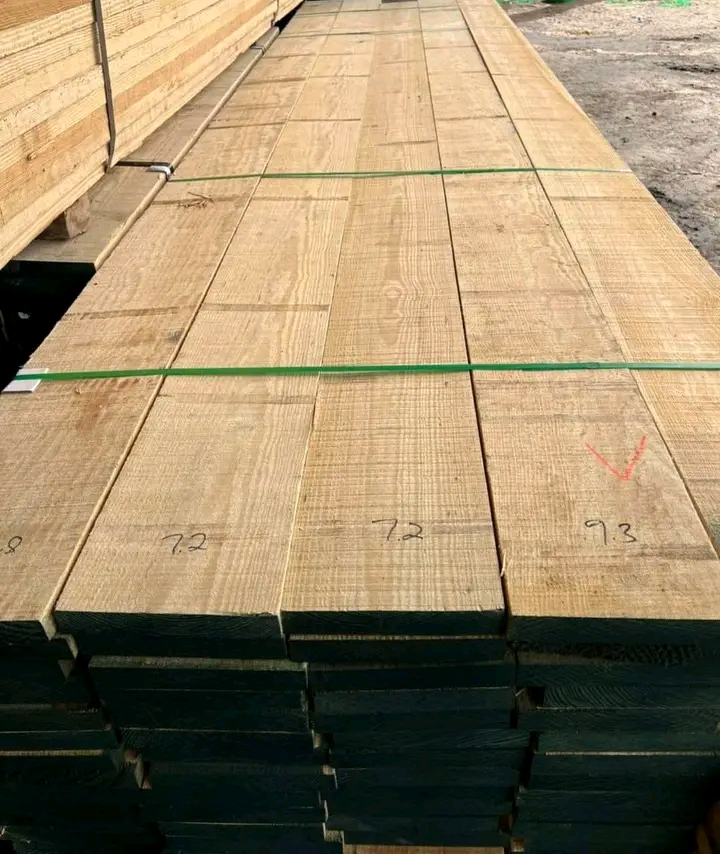
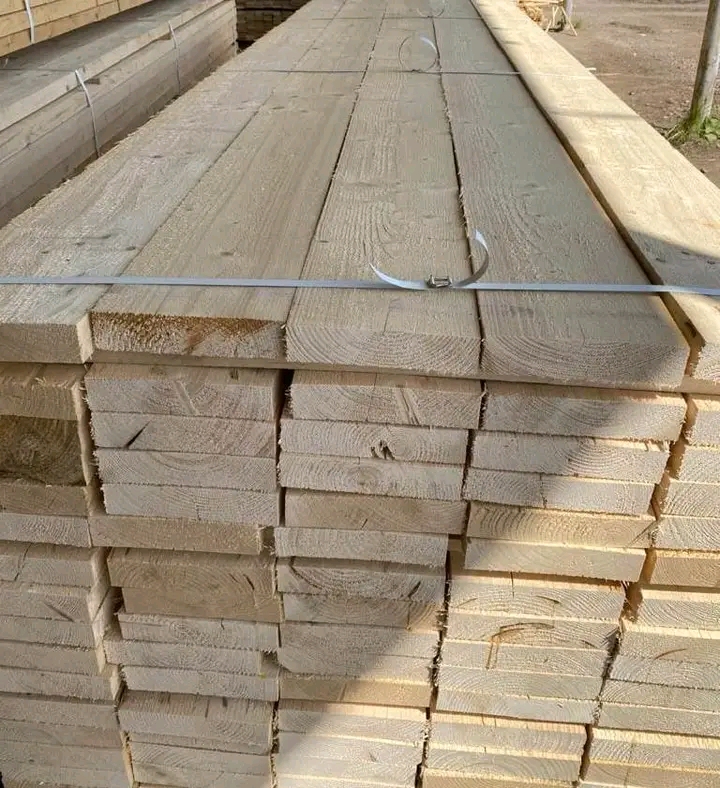
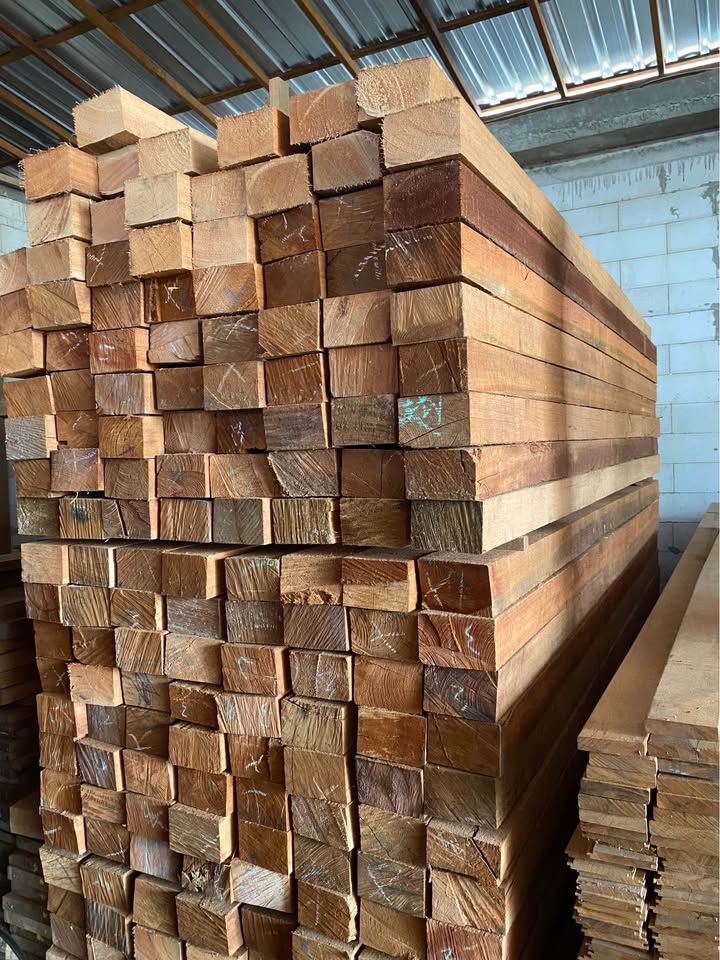
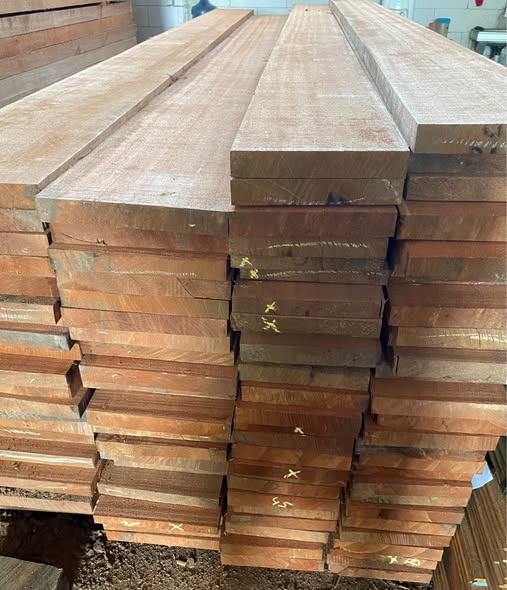
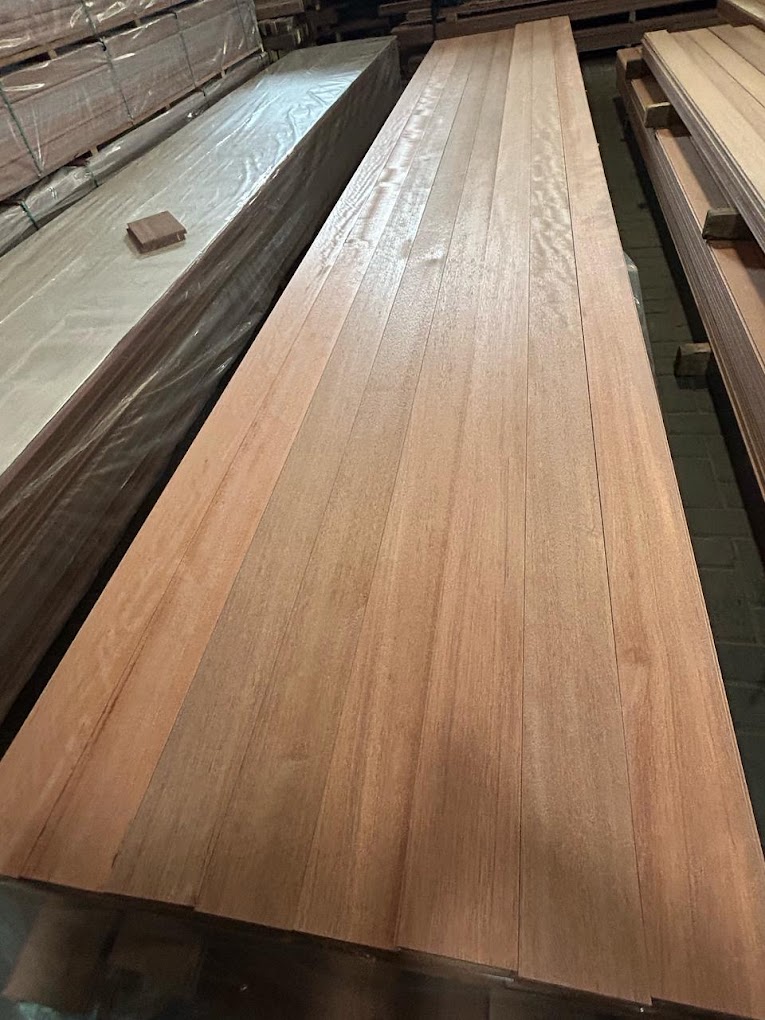
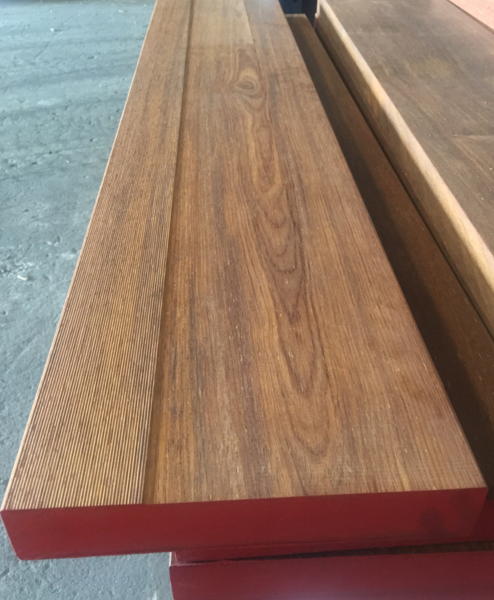
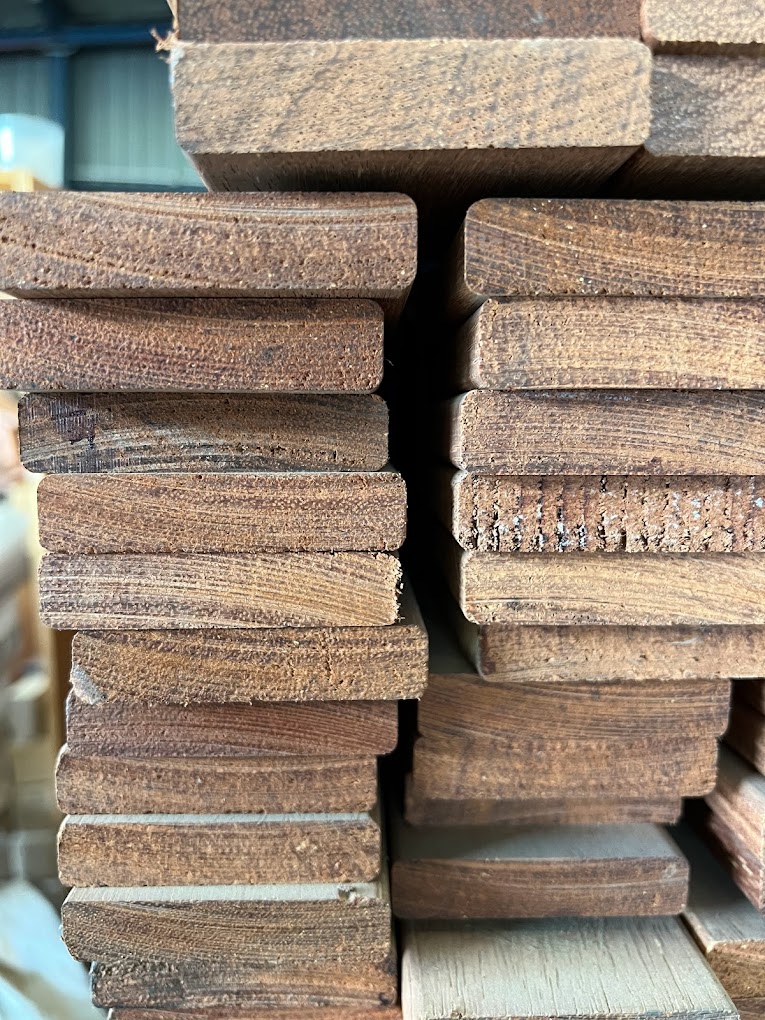
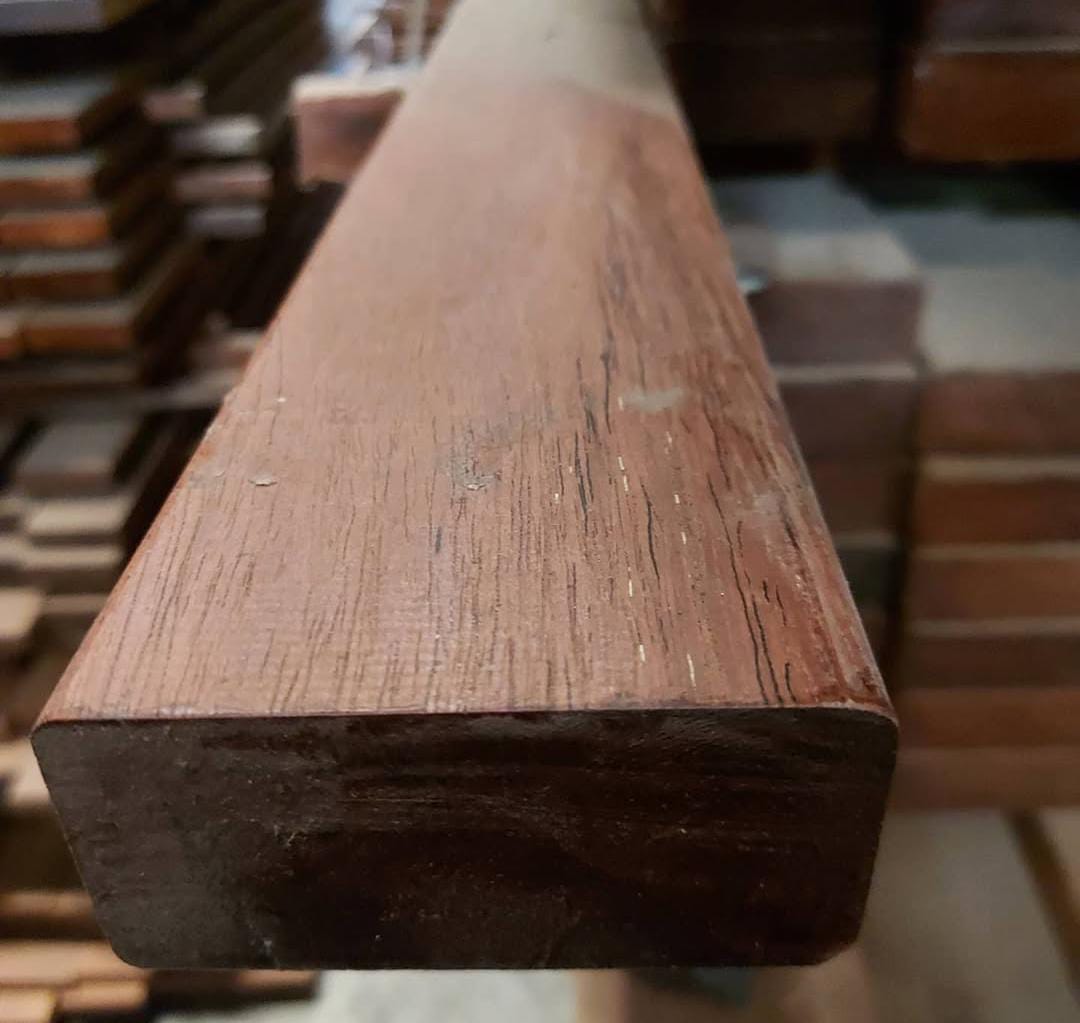
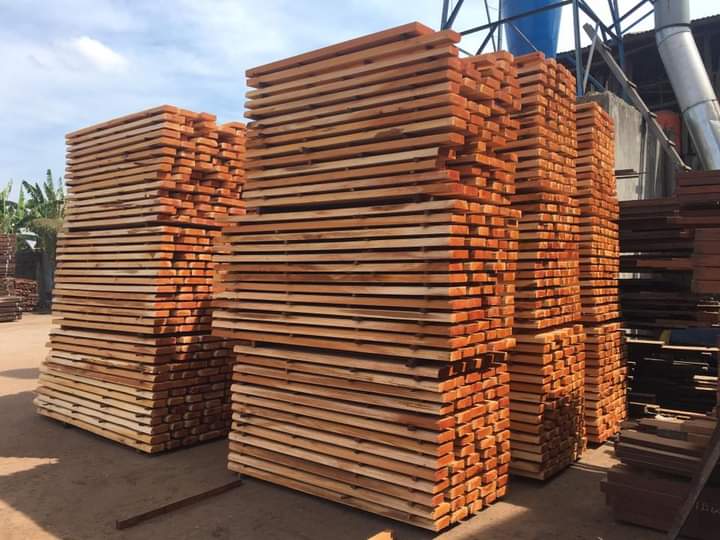
PT TATA SUMBER INTI supplies Indonesian timber for furniture, doors, interior woodwork, flooring, decking, construction and other manufacturing applications. Timber can be specified by species, dimensions, grade, moisture requirement and intended application.
MULTIPLE TIMBER SPECIES
CUSTOM DIMENSIONS
OEM / PROJECT PRODUCTION
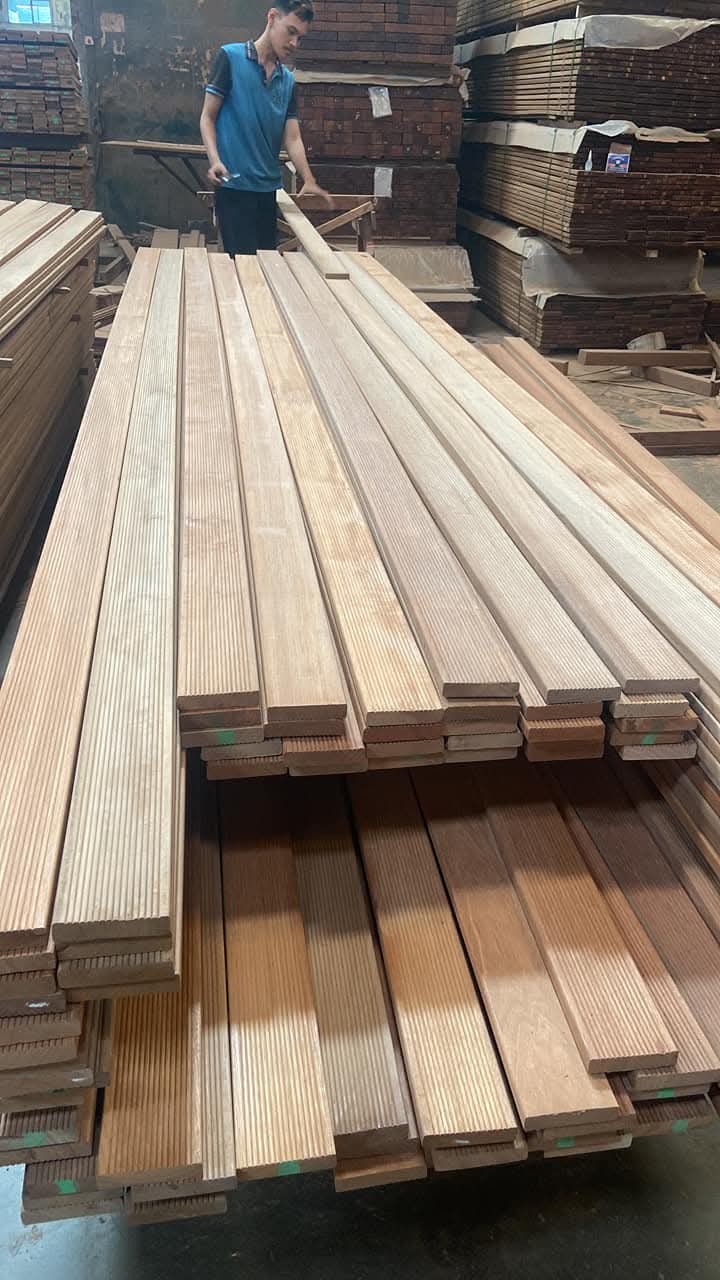
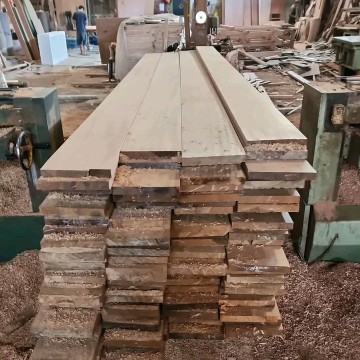
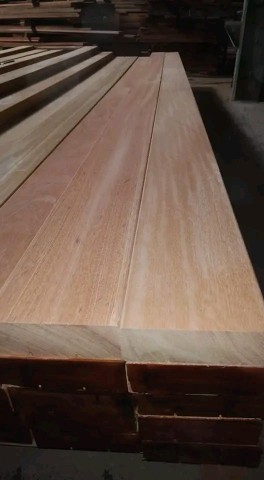
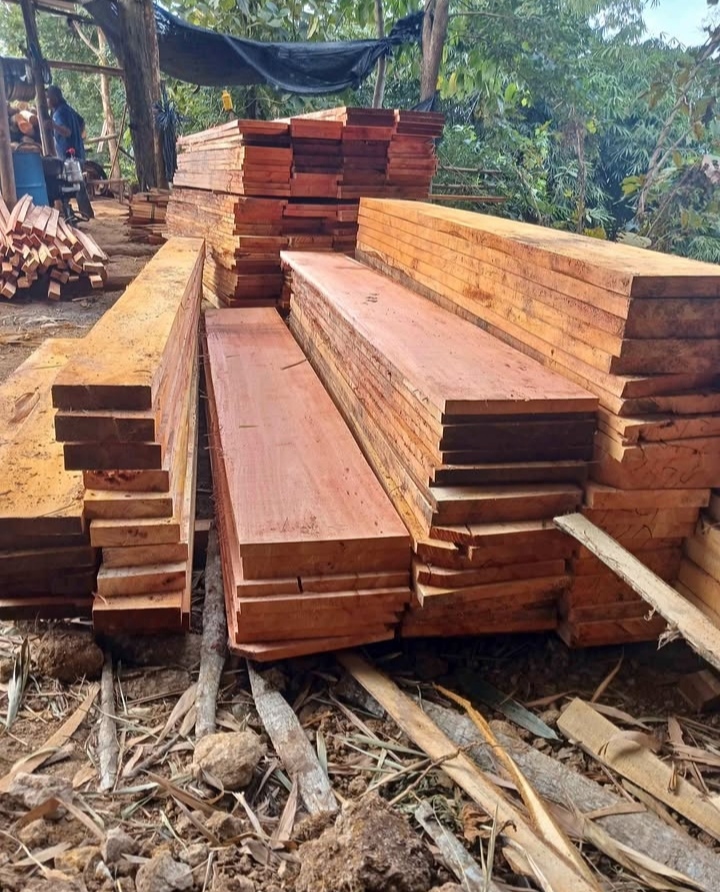
Timber production and wood processing at PT TATA SUMBER INTI
Indonesian Timber Supply

Timber Selected According to Species and Application

Timber properties vary significantly between species. Density, grain structure, shrinkage, hardness, natural durability, workability and appearance all influence whether a particular timber is appropriate for a specific product.

For international buyers, the timber specification should therefore identify the species or commercial timber group, required dimensions, grade, moisture condition and intended application.

PT TATA SUMBER INTI supplies timber for further manufacturing rather than treating all wood species as interchangeable. Species-specific requirements can be reviewed before production and quotation.

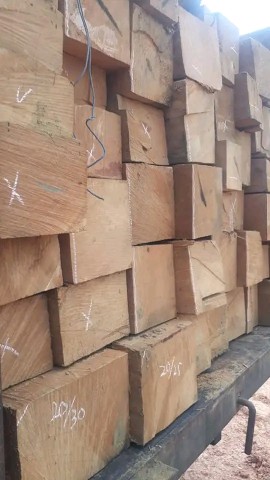
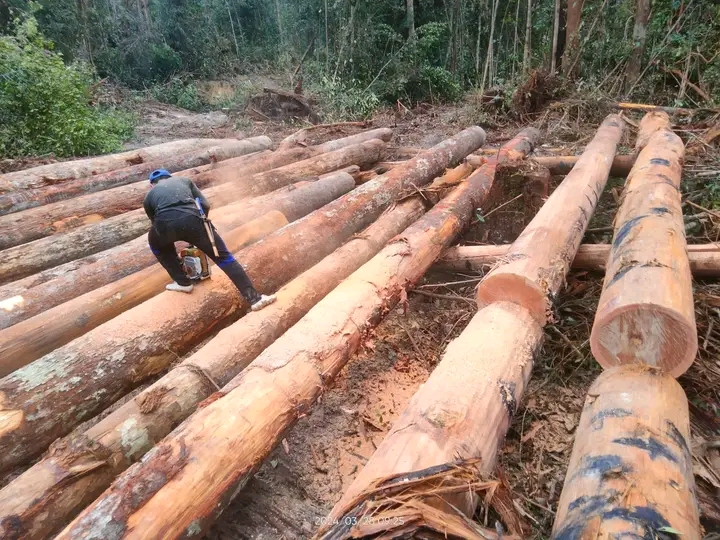
Timber logs and raw material preparation
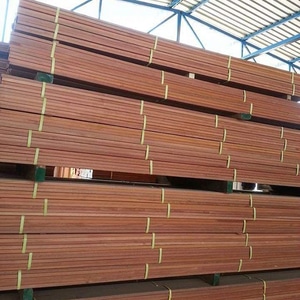
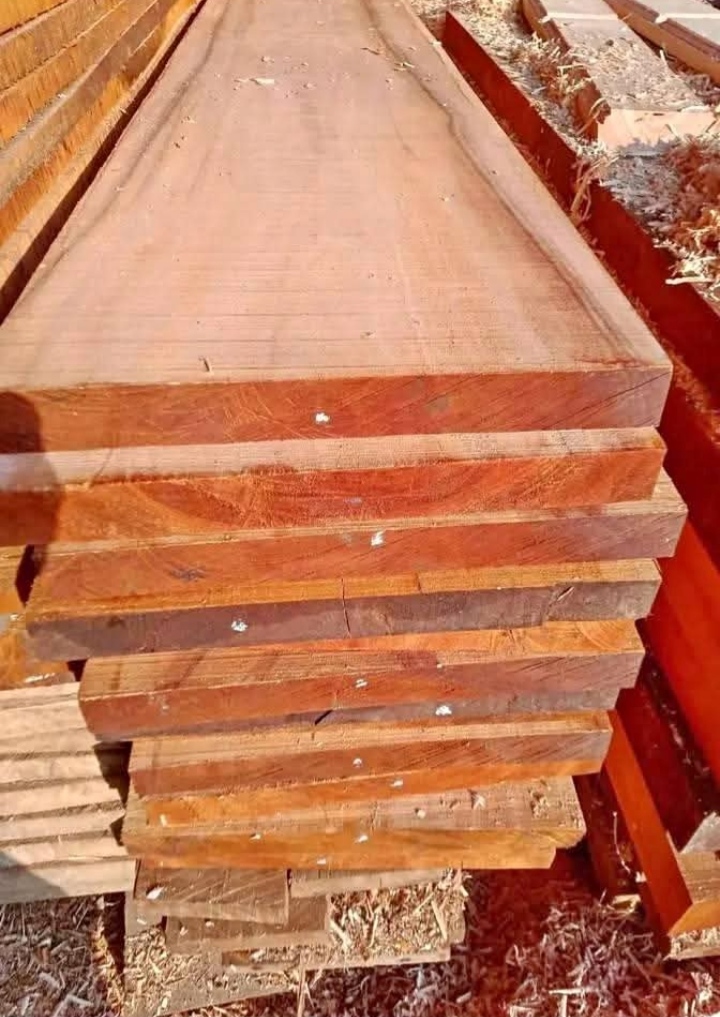
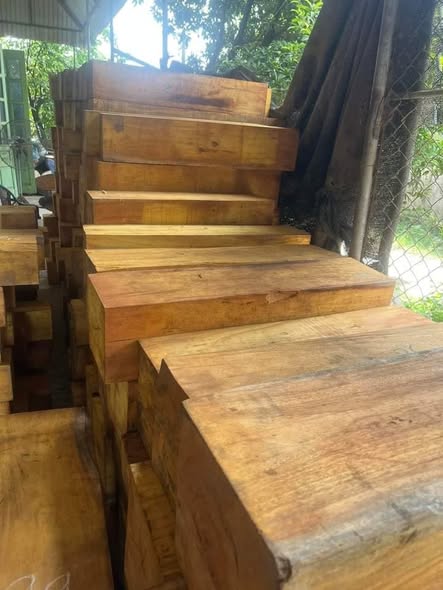
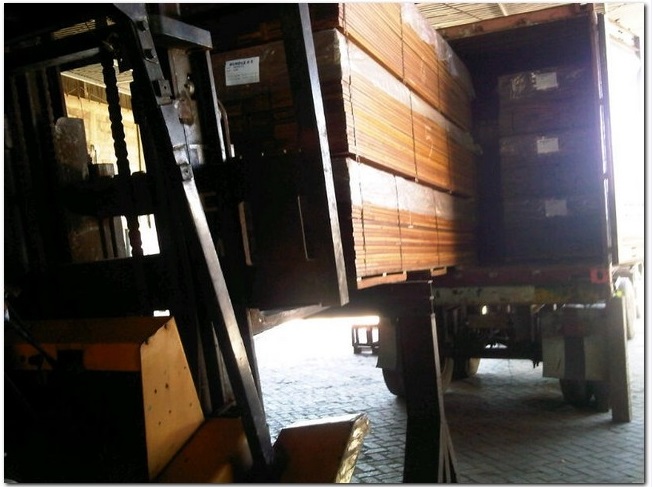
Wood manufacturing and export preparation
Timber Manufacturing

From Timber Selection to Finished Wood Components

Sawn timber performance depends not only on species but also on the condition and processing of the material. Sawing direction, drying, final dimensions, machining and grading can all influence the suitability of timber for its intended use.

Production requirements can therefore be defined according to the buyer's application rather than using one generic specification for every species.

01
Species Selection
Timber is selected according to the required physical, mechanical and appearance characteristics.
02
Sawn Dimensions
Thickness, width and length are established according to the product or manufacturing requirement.
03
Moisture Requirement
Moisture requirements should be specified according to the destination climate and final application.
04
Further Processing
Where required, timber can be prepared for subsequent machining, profiling or component production.
Selected Timber Species

Indonesian Timber Species Portfolio

The following technical information is based on published timber references and is presented as species-level reference data. Actual commercial timber properties can vary according to species, origin, growth conditions, grade, moisture content and processing condition.

1. Pine Timber

Pinus merkusii Junghuhn & de Vriese
HS 4407.11

Indonesian Merkus Pine is a softwood with usually straight grain, moderately coarse to coarse texture and yellowish-white to light reddish-yellow sapwood. ITTO reports an air-dry density of approximately 0.64 g/cm³ at 12% moisture content and basic density of approximately 0.58 g/cm³. The species is workable by sawing and machining and is used for boards, flooring, frames, paneling, furniture and other wood products.

Wood Type Softwood
Scientific Name Pinus merkusii
Basic Density 0.58 g/cm³
Air-Dry Density 0.64 g/cm³ at 12% MC
Tangential Shrinkage 8.3%
Radial Shrinkage 4.9%
MOR 540 kgf/cm² at 12% MC
MOE 104,855 kgf/cm² at 12% MC
Janka Hardness 250 kgf side / 276 kgf end
Natural Durability Fairly durable; susceptible to termite attack
HS Code 4407.11 — Pine, sawn wood >6 mm

Typical Applications

  • Furniture components
  • Boards and panels
  • Flooring-related products
  • Frames
  • Interior paneling
  • General wood manufacturing
Pine is not automatically suitable for outdoor exposure. Its durability and treatment requirements must be evaluated according to the exact application and exposure conditions.
2. Meranti Timber

Commercial Meranti Group — Shorea spp.
HS 4407.25

Meranti is a commercial timber group rather than a single botanical species. Dark Red Meranti and Light Red Meranti are separately represented within the Shorea group. Published ITTO data for Light Red Meranti (Shorea parvifolia) reports a basic density of approximately 0.47 g/cm³ and an air-dry density of approximately 0.51 g/cm³ at 12% moisture content. Durability and physical properties vary among individual Meranti species, so the exact species or commercial grade should be confirmed for technical projects.

Wood Type Hardwood
Commercial Group Dark Red Meranti / Light Red Meranti / Meranti Bakau
Example Species Shorea parvifolia
Basic Density 0.47 g/cm³ for S. parvifolia reference data
Air-Dry Density 0.51 g/cm³ at 12% MC for S. parvifolia
Tangential Shrinkage 9.7% for S. parvifolia
Radial Shrinkage 3.2% for S. parvifolia
Natural Durability Varies; Light Red Meranti may range from moderately durable to perishable
Workability Generally workable; species and grain affect machining
HS Code 4407.25 — Dark Red Meranti, Light Red Meranti and Meranti Bakau

Typical Applications

  • Furniture components
  • Doors and interior components
  • Frames and joinery
  • Paneling
  • Veneer and plywood applications
  • General construction and wood products
"Meranti" should not be treated as one uniform technical specification. Density, durability and mechanical properties must be confirmed against the actual species and grade.

3. Merbau Timber

Intsia spp. — commonly Intsia bijuga / Intsia palembanica
HS 4407.29*

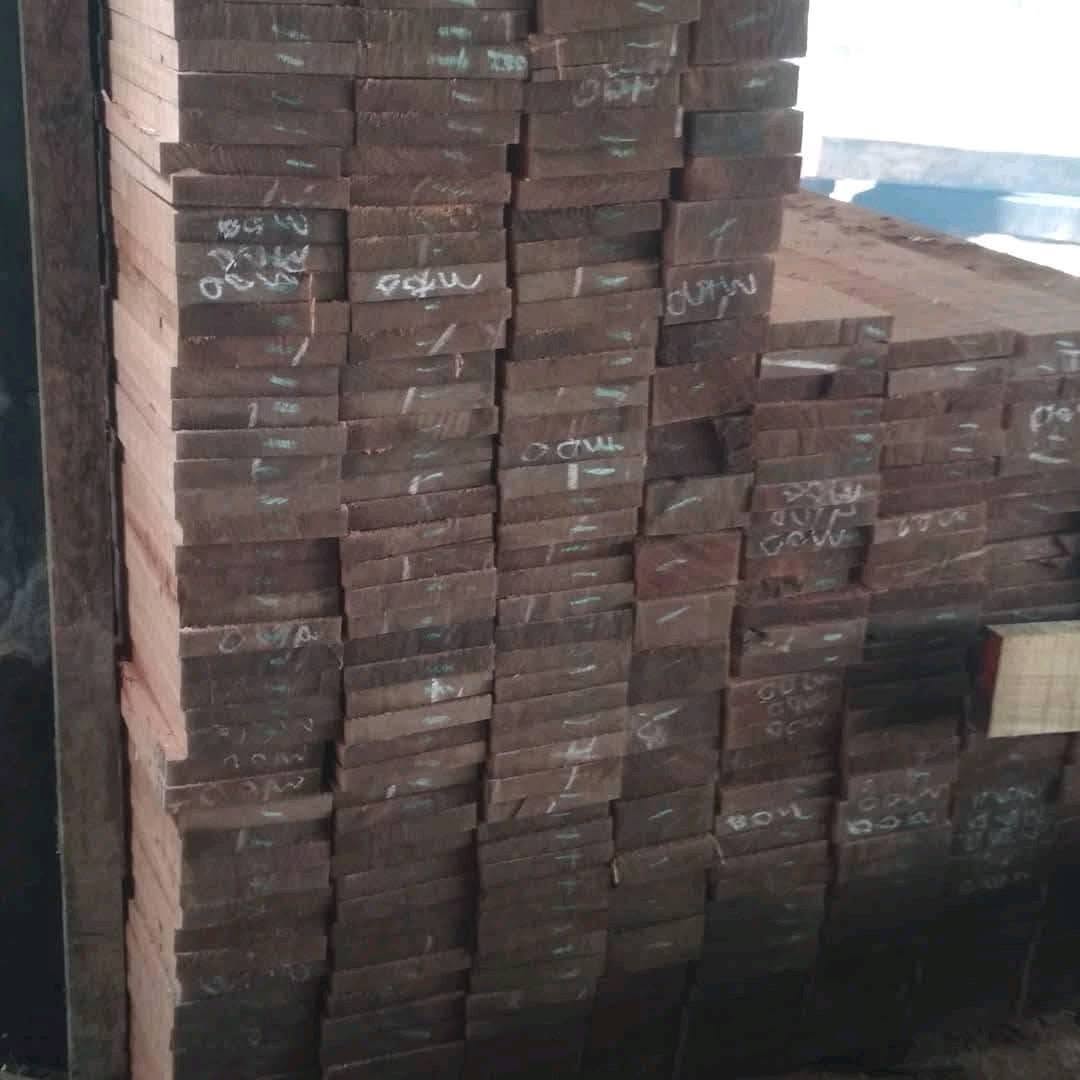
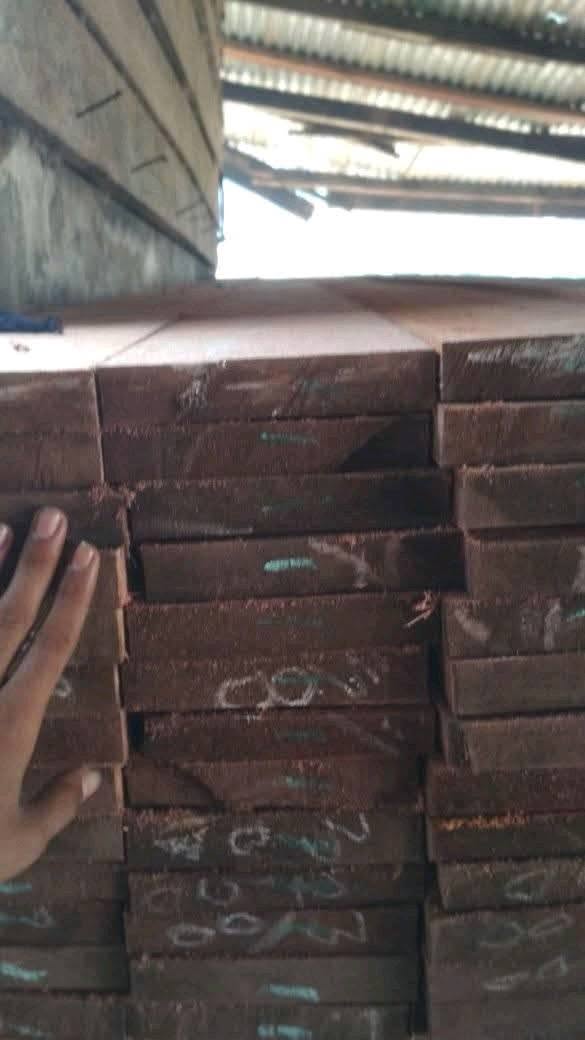
Merbau is a heavy tropical hardwood with clearly differentiated pale sapwood and brownish-grey to bronze or dark-brown heartwood. ITTO data for Intsia bijuga reports a basic density of 0.73 g/cm³ and an air-dry density of 0.83 g/cm³ at 12% moisture content. The species is rated very durable, although the sapwood remains vulnerable to fungi and insects. Merbau is used for flooring, frames, steps, paneling, furniture, tool-related products, exterior applications and other demanding wood products.

Wood Type Heavy Hardwood
Commercial Name Merbau
Reference Species Intsia bijuga
Basic Density 0.73 g/cm³
Air-Dry Density 0.83 g/cm³ at 12% MC
Tangential Shrinkage 4.9%
Radial Shrinkage 2.7%
MOR 1,493 kgf/cm² at 12% MC
MOE 167,655 kgf/cm² at 12% MC
Janka Hardness 797 kgf side
Natural Durability Very durable; sapwood vulnerable
HS Code 4407.29 — Other tropical wood, when not covered by a more specific subheading

Typical Applications

  • Flooring
  • Exterior wood products
  • Frames and steps
  • Furniture and cabinets
  • Paneling
  • Heavy-duty wood components
Merbau can refer to more than one Intsia species. The botanical species should be confirmed when a project specification requires species-level certification or testing.

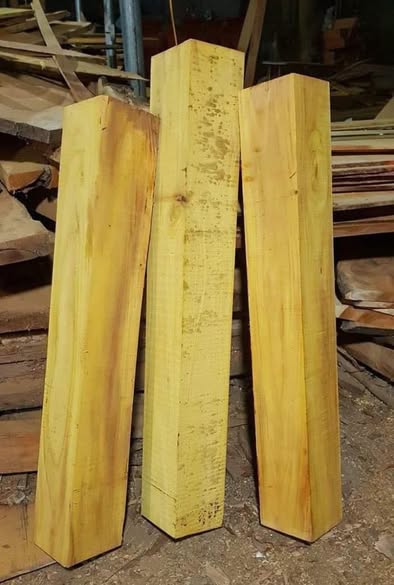
4. Yellow Balau / Bangkirai

Shorea laevis Ridley — Balau reference species
HS 4407.29*

Balau, commercially associated with Bangkirai in Indonesia, is a very heavy tropical hardwood. ITTO data for Shorea laevis reports a basic density of approximately 0.83 g/cm³ and an air-dry density of approximately 0.96 g/cm³ at 12% moisture content. The heartwood is yellow-brown and darkens with age. It is naturally resistant to fungal attack and has high hardness and strength. Drying can be slow and difficult, with risk of checks and distortion.

Wood Type Very Heavy Hardwood
Scientific Name Shorea laevis
Basic Density 0.83 g/cm³
Air-Dry Density 0.96 g/cm³ at 12% MC
Tangential Shrinkage 9.3%
Radial Shrinkage 4.2%
MOR 1,473 kgf/cm² at 12% MC
MOE 204,310 kgf/cm² at 12% MC
Janka Hardness 1,026 kgf side
Natural Durability High; resistant to fungal attack
HS Code 4407.29* — Other tropical wood, subject to exact tariff classification

Typical Applications

  • Decking
  • Flooring
  • Heavy construction components
  • Bridges and heavy-duty applications
  • Exterior wood products
  • Utility and industrial components
"Yellow Balau" is a commercial name and may cover more than one species. The exact botanical species and grade should be confirmed for contractual or engineering specifications.

5. Kumea

Kumea Batu reference: Manilkara merrilliana
HS 4407.29*

Kumea Batu is a very heavy Indonesian hardwood documented in published forestry research under Manilkara merrilliana. Research describes the heartwood as reddish-brown with straight grain, fine texture and a naturally glossy surface. The species is reported as a strong timber, while high shrinkage makes appropriate drying and processing important.

Wood Type Very Heavy Hardwood
Reference Species Manilkara merrilliana
Appearance Reddish-brown heartwood
Grain Straight
Texture Fine
Surface Naturally glossy
Density Species-specific; confirm against production material
Drying High shrinkage requires controlled drying
HS Code 4407.29* — Other tropical wood, subject to exact tariff classification

Potential Applications

  • Flooring-related products
  • Furniture
  • Mouldings
  • Heavy wood components
  • Selected building applications
  • Decorative wood products
Kumea is a commercial/local timber name and can be subject to regional naming differences. The botanical species, grade and technical data should therefore be confirmed before using Kumea for engineering calculations.

6. Mahogany Timber

Swietenia macrophylla King
HS 4407.21

Big-leaf Mahogany is a medium-density tropical hardwood with reddish or pinkish-brown heartwood that develops into a deeper rich red-brown color after exposure. ITTO reports a basic density of approximately 0.52 g/cm³ and an air-dry density of approximately 0.56 g/cm³ at 12% moisture content. The timber is generally easy to machine, plane, glue and finish, and is widely associated with furniture, cabinetry, boards, flooring, frames, paneling and decorative wood products.

Wood Type Medium-Density Hardwood
Scientific Name Swietenia macrophylla
Basic Density 0.52 g/cm³
Air-Dry Density 0.56 g/cm³ at 12% MC
Tangential Shrinkage 4.5%
Radial Shrinkage 3.2%
MOR 878 kgf/cm² at 12% MC
MOE 99,530 kgf/cm² at 12% MC
Janka Hardness 370 kgf side
Natural Durability High; moderate resistance to dry-wood termites
HS Code 4407.21 — Mahogany (Swietenia spp.)

Typical Applications

  • Furniture
  • Cabinetry
  • Doors and frames
  • Interior paneling
  • Decorative veneer
  • Mouldings
  • Musical instruments
Mahogany in this specification refers specifically to Swietenia macrophylla. African Mahogany species such as Khaya spp. are different botanical species and should not be represented under this scientific name.

7. Jackfruit Wood

Artocarpus heterophyllus
HS 4407.29*

Jackfruit wood comes from Artocarpus heterophyllus. ITTO describes the heartwood as yellow to yellowish-brown or pinkish-brown, with straight to interlocked grain and medium texture. The published ITTO reference reports an air-dry density of approximately 0.60 g/cm³ at 12% moisture content. The timber is reported to be easy to saw and work and is used for selected furniture, joinery, decorative and specialty wood products.

Wood Type Hardwood
Scientific Name Artocarpus heterophyllus
Air-Dry Density 0.60 g/cm³ at 12% MC
Heartwood Color Yellow to yellowish-brown / pinkish-brown
Grain Straight to interlocked
Texture Medium
MOR 806 kgf/cm² at 12% MC
MOE 100,700 kgf/cm² at 12% MC
Workability Easy to saw and work
HS Code 4407.29* — Other tropical wood, subject to exact tariff classification

Typical Applications

  • Furniture
  • Interior components
  • Decorative wood products
  • Specialty joinery
  • Craft and turned wood products
  • Custom wood components
Jackfruit wood should be specified by Artocarpus heterophyllus when botanical identification is important. Local names should not be used as a substitute for species identification.

8. Teak Timber

Tectona grandis
HS 4407.23

Teak is a well-known tropical hardwood characterized by golden-brown heartwood, straight grain and good dimensional stability. ITTO reports a basic density of approximately 0.53 g/cm³ and an air-dry density of approximately 0.61 g/cm³ at 12% moisture content. Total tangential and radial shrinkage are reported at approximately 4.5% and 2.5%, respectively. Teak is naturally durable and is widely used for furniture, flooring, decking, doors, boatbuilding and architectural woodwork.

Wood Type Hardwood
Scientific Name Tectona grandis
Basic Density 0.53 g/cm³
Air-Dry Density 0.61 g/cm³ at 12% MC
Total Tangential Shrinkage 4.5%
Total Radial Shrinkage 2.5%
MOR 1,005 kgf/cm² at 12% MC
MOE 108,000 kgf/cm² at 12% MC
Janka Hardness 489 kgf side
Natural Durability Good natural durability
HS Code 4407.23 — Teak, sawn wood >6 mm

Typical Applications

  • Outdoor furniture
  • Decking
  • Flooring
  • Doors
  • Boatbuilding
  • Architectural woodwork
  • Premium furniture
Teak contains natural extractives and can be oily. This can affect gluing and finishing, so surface preparation should be considered when the timber is intended for coated or bonded products.
Timber Specification

Specification Parameters for Quotation

Timber should be quoted against a clearly defined specification. The final commercial specification should be confirmed between buyer and manufacturer before production.

Main Specification Parameters

Species Required commercial and/or botanical species.
Thickness Required rough-sawn or finished thickness.
Width Required board, plank or component width.
Length Fixed, random or specified length requirements.
Grade Grade and acceptable defect requirements.
Moisture Content Target moisture content according to application and destination.

Processing Options

Rough Sawn Timber supplied in sawn condition for further processing.
Planed Planed surface according to agreed dimensions.
S4S Four-side surfaced timber where applicable to the product.
Cut to Size Components prepared to agreed length and dimensions.
OEM Components Timber prepared for subsequent customer manufacturing.
Packaging Packing method can be discussed according to shipment requirements.
Species Comparison

Selecting Timber by Technical Requirement

This comparison is a general technical guide. It should not replace project-specific engineering data, grading standards or species-specific laboratory testing.

Timber Reference Density General Character Typical Applications HS 6-Digit
Pine 0.64 g/cm³ air-dry at 12% MC Softwood; workable Furniture, boards, frames, paneling 4407.11
Meranti Approx. 0.51 g/cm³ for S. parvifolia Commercial hardwood group Furniture, joinery, doors, panels 4407.25
Merbau 0.83 g/cm³ for I. bijuga Heavy, very durable hardwood Flooring, exterior, furniture 4407.29*
Yellow Balau 0.96 g/cm³ for S. laevis Very heavy and hard Decking, flooring, heavy construction 4407.29*
Kumea Species/grade dependent Very heavy tropical hardwood Flooring, furniture, heavy components 4407.29*
Mahogany 0.56 g/cm³ air-dry at 12% MC Medium-density hardwood Furniture, cabinetry, doors 4407.21
Jackfruit 0.60 g/cm³ air-dry at 12% MC Workable specialty hardwood Furniture, joinery, specialty products 4407.29*
Teak 0.61 g/cm³ air-dry at 12% MC Stable, naturally durable hardwood Decking, furniture, doors, boatbuilding 4407.23
* HS 4407.29 is shown here only as a general 6-digit Harmonized System reference for tropical sawn wood not covered by a more specific HS species subheading. The final national tariff code may contain additional digits and must be confirmed against the exact species, dimensions, processing condition and destination country's tariff schedule.
Timber Applications

Timber for Doors and Wood Manufacturing Projects

Timber can be further processed into components for doors, architectural woodwork and other manufactured wood products. The appropriate species should be selected according to dimensional stability, machining, appearance and end-use requirements.

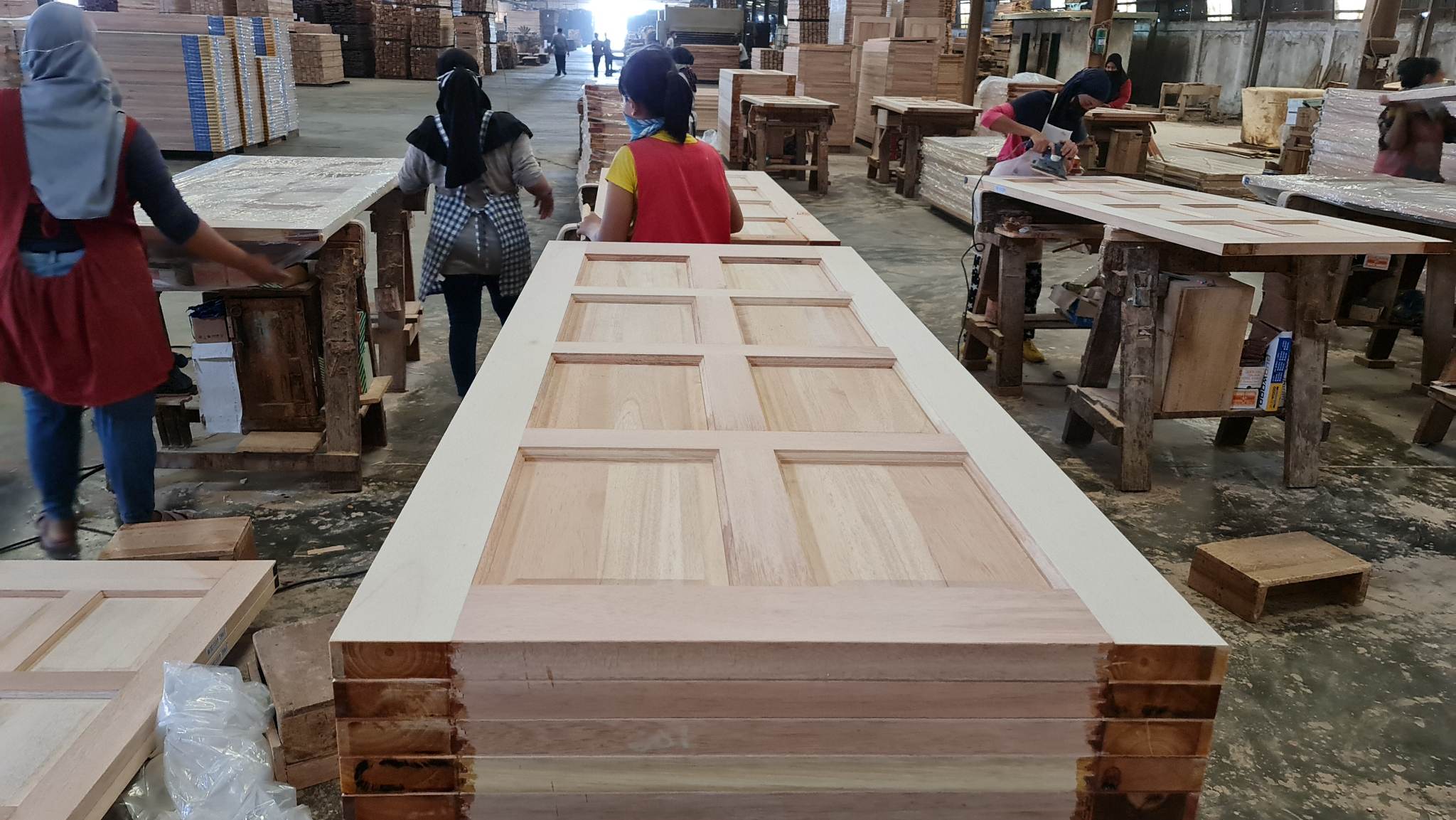
Wooden door manufactured from timber

Wooden Door Components

Selected timber can be processed into components for solid wooden doors and related joinery. Species selection should consider moisture condition, dimensional movement, machining and finishing requirements.

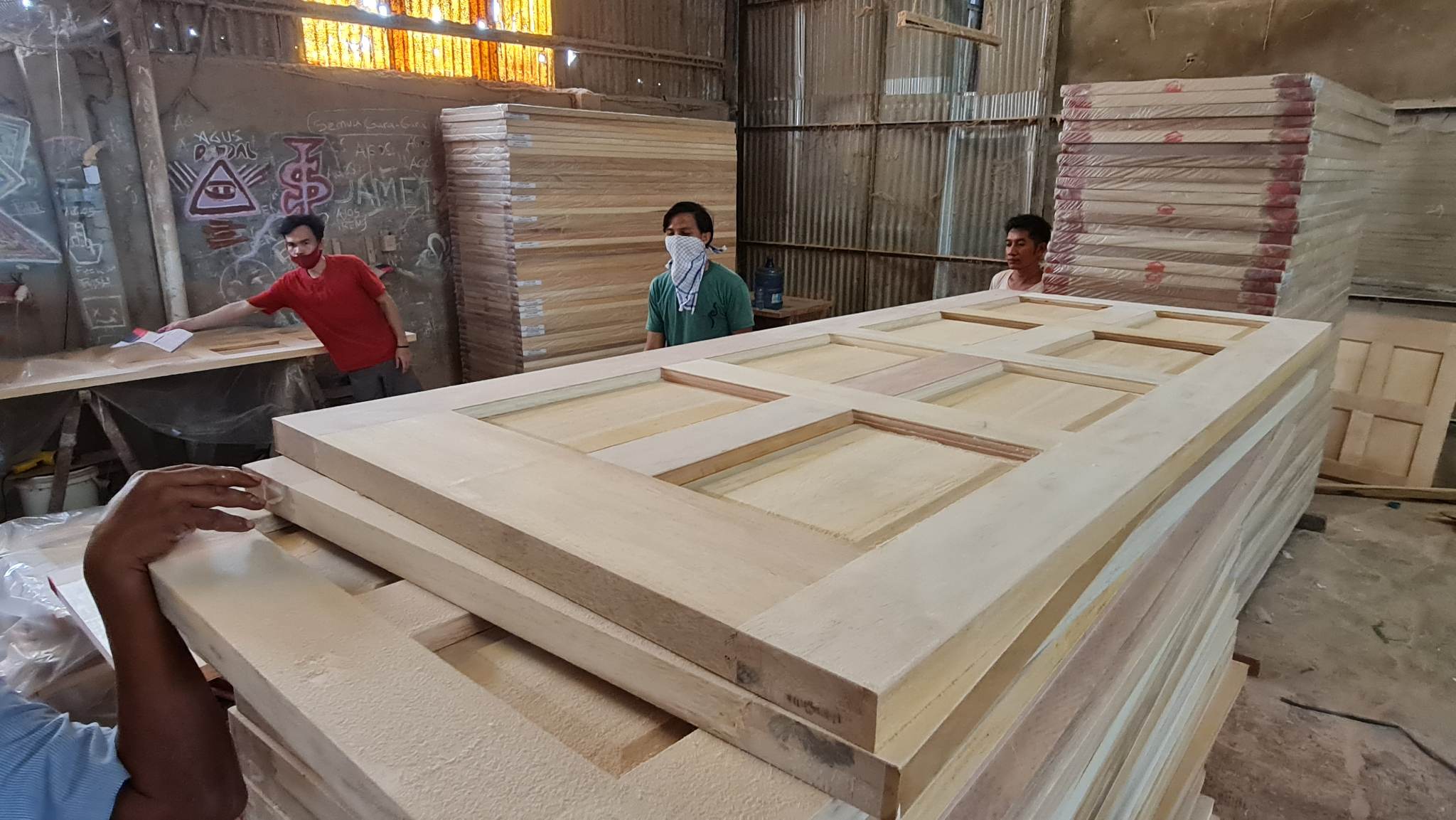
Wooden door project application

Architectural Wood Projects

Timber products can be prepared for project-based architectural and interior applications where species, dimensions and finishing requirements are established before production.

Manufacturing Approach

Why Specify Timber Directly with the Manufacturer?

01
Species-Specific Specification

Timber is evaluated according to the actual species or commercial group instead of applying one generic technical specification to every wood type.

02
Custom Dimensions

Buyers can provide required thickness, width and length specifications for quotation and production review.

03
Application-Based Selection

Species selection can be discussed according to the intended application, including furniture, doors, flooring, decking and other wood products.

04
OEM & Project Supply

Timber can be specified as raw sawn material or as a component for further customer manufacturing, subject to production capability and agreed specifications.

B2B Timber Supply

Request a Timber Specification & Quotation

Send us the required timber species, dimensions, grade, moisture requirement, quantity and intended application. We can review the specification and prepare the appropriate production and quotation details.

Indonesian Timber
Multiple timber species available for manufacturing applications.
Custom Specification
Species, dimensions, grade and processing requirements can be defined.
B2B Export Supply
Production and shipment specifications reviewed for international buyers.
Direct Manufacturer
Timber supply focused on manufacturing and project requirements.